

ADVOCACY
Advocacy
Reese's Law was the first outcome. It was never the only one.
Three ways we advocate
Reese's Purpose works in three places at once: in Congress and the statehouse, inside the industry that makes the products, and in the rooms where safety standards are written.
Legislative
Advocacy
A law is how one family's lesson becomes a rule for every product on every shelf.
Industry Partnerships
Legislation sets the floor. Working with the companies that make the products is how the floor rises.
Standards & Regulation
Standards decide how a product is tested before it reaches a shelf. We sit at the table where they are written.
Legislative Advocacy - Reese's Law
A law is how one family's lesson becomes a rule for every product on every shelf.
Reese's Law
Reese's Law is the federal standard for products that contain button cell or coin batteries. It requires manufacturers to secure the battery compartments so a small child cannot open them, and to warn families on the packaging. It is enforced by the United States Consumer Product Safety Commission. The law was signed by the President on August 16, 2022. It was named in honor of Reese Elizabeth Hamsmith.
Why This Law Exists
Button batteries are small enough to be swallowed and powerful enough to burn through tissue in under two hours. Reese Elizabeth Hamsmith died on December 17, 2020, from injuries caused by a button battery from a small household remote with an unsecured compartment and no warning label.
Who Got It Done
We did not pass this law alone. It took families, medical professionals, child safety advocates, the Consumer Product Safety Commission, and members of Congress on both sides of the aisle. Many doctors who treated children harmed by button batteries spoke at hearings, wrote letters, and pushed CPSC publicly. The medical community's voice was decisive.
Battery compartments containing replaceable button cell or coin batteries must be secured such that they require the use of a tool or at least two independent and simultaneous hand movements to open.
Button cell or coin battery compartments must not allow such batteries to be accessed or liberated as a result of use and abuse testing.
The packaging for the overall product must bear a warning.
The product itself must bear a warning, if practicable.
Accompanying instructions and manuals must include all of the applicable warnings.
Replacement button cell or coin batteries sold on their own must be packaged in child-resistant packaging.
The six provisions
Reese's Law requires every product that contains a button cell or coin battery to meet six specific standards.
Legislative Advocacy - Emory's Law
Emory's Law would require a crossing arm on the front of school buses, so children cross far enough ahead of the bus for the driver to see them. bill name, number, federal or Texas, sponsor, status. It is named for Emory Georgia-Faye "Emy" Sayre, whose mother, Tori, is leading the effort. Reese's Purpose is standing with her.

Meet Emory: Her Mother's Story
Emory Georgia-Faye Sayre, also known to most as Emy, was born on April 8, 2016. For us, that was the best day of our lives. I was already a mom to three boys, and I had spent years praying every single night that God would bless me with a daughter. On April 8, my wish finally came true.
Being born into a house full of boys made Emy as rough and tough as they come. She was a fierce competitor who found joy in anything that involved sports. She spent hours outside playing what was supposed to be flag football but often turned into tackle football with her brothers, countless games of wiffle ball, basketball games that she somehow made even more exciting by riding a hoverboard while playing, wrestling matches on the trampoline, indoor boxing matches on rainy days, and races with every single person she met.
My wild, free-spirited girl didn't walk anywhere: everywhere she went was a run. If she fell or ran into something, while everyone else held their breath, she would pop right back up like nothing had happened, too focused on her next adventure to notice it might have hurt.
When my daughter almost lost her life after swallowing a lithium coin cell battery, our family was thrown into a terrifying nightmare. In our darkest hour, I truly believe God led us to Reese's Purpose and its founder, Trista. Having suffered the unimaginable loss of her own precious daughter to this exact tragedy, Trista has faithfully channeled her heartbreak into a profound mission for child safety. During our hospitalization, she armed us with vital medical knowledge and enveloped us in prayer, offering the deep spiritual comfort of a sister in Christ who truly understood our pain. Trista’s relentless commitment through Reese’s Purpose is a powerful light in the darkness, and I thank God every day for the lifesaving work she does in beautiful Reese's memory.
Industry Partnerships
Legislation sets the floor. Working with the companies that make the products is how the floor rises.
Only the Energizer 3-in-1 Child Shield and Ultimate Child Shield carry these features. Other button and coin batteries, including other Energizer lines, do not. Treat every other battery as if a child can be hurt by it.
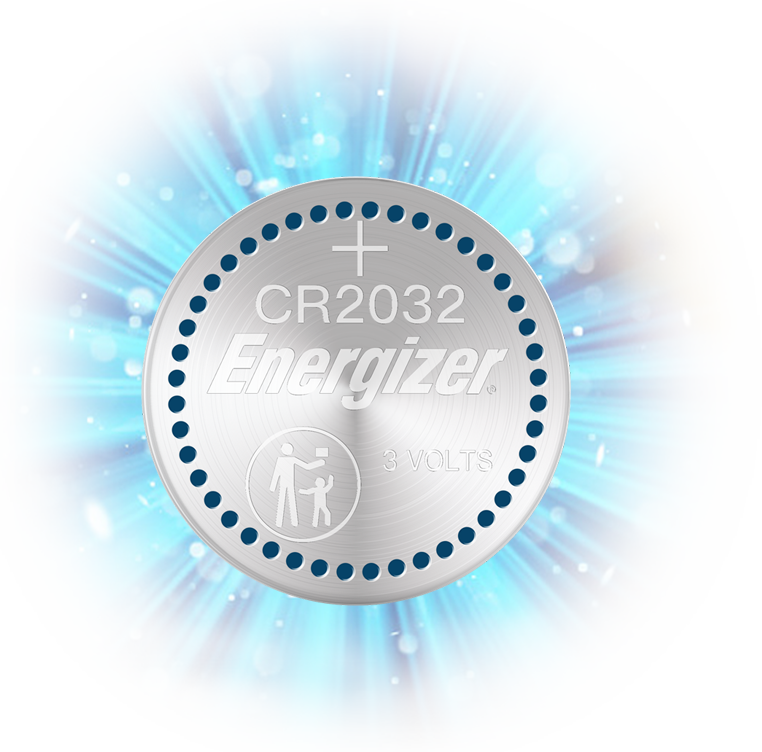
A safer button battery, built with the people who make them
Energizer's 3-in-1 Child Shield and Ultimate Child Shield coin lithium batteries carry three protections: child-resistant packaging, a non-toxic bitter coating that discourages swallowing, and a color alert that turns blue on contact with saliva, so a parent can spot a swallowed battery sooner. Reese's Purpose worked alongside Energizer for four years to bring them to market. launch date, May 2026. They are on store shelves now.
Reese's Law required secured compartments and warnings. A safer battery addresses the hazard itself. Together, they are the most significant change in U.S. button battery safety in a generation.

Non-Toxic Bitter Coating
Bitter Taste, Discourages Swallowing
Our coin lithium batteries include a non-toxic bitter coating on the cell that discourages swallowing and helps prevent ingestion.

Child-Resistant Packaging
Safety feature by design
Our child-resistant package provides security to help prevent children from accessing batteries in the package.

Color Alert Technology
Safety features that you can see
The Color Alert technology activates once saliva interacts with the battery, visibly dyeing the mouth blue in just seconds to alert parents and caregivers to get help fast.
Still Pushing
We are still pushing on the remaining gaps. Implementation of Reese's Law's labeling requirements is uneven. Some manufacturers comply late, some comply minimally, and some still try to sell non-compliant products through resale channels. We track this work and report it.
Standards & Regulation
Standards & Regulations
Standards decide how a product is tested before it reaches a shelf. We sit at the table where they are written.
Writing the standards
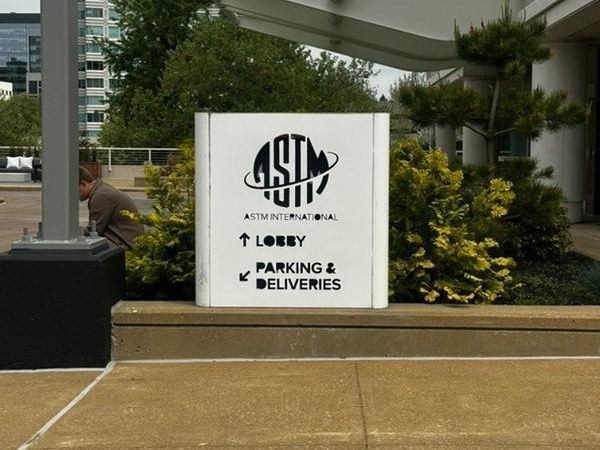
Reese's Purpose takes part in ASTM International standards work and the Global Button Battery Task Force, where the test methods behind laws like Reese's Law are written and revised. ASTM committee and Task Force role.
Testifying
We have testified before the Consumer Product Safety Commission and briefed the United States Senate on hidden holiday hazards.

Representing Families
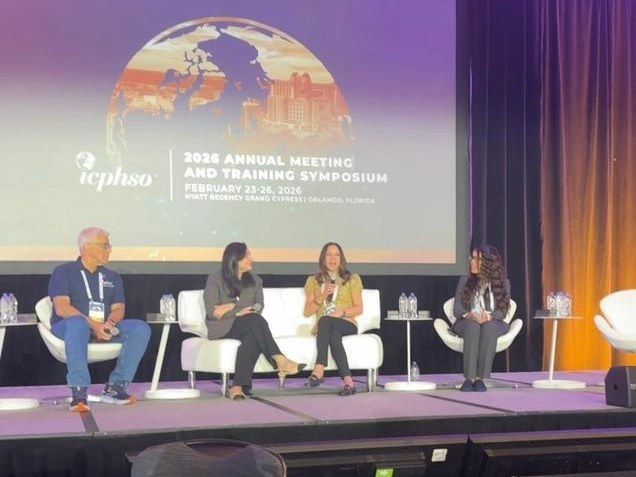
In September 2026, Trista Hamsmith represents Reese's Purpose in Brussels at the European Commission's International Product Safety Week and the ICPHSO International Symposium (September 9 to 10), where regulators and manufacturers from around the world work toward a global baseline for product safety. speaking or attending.
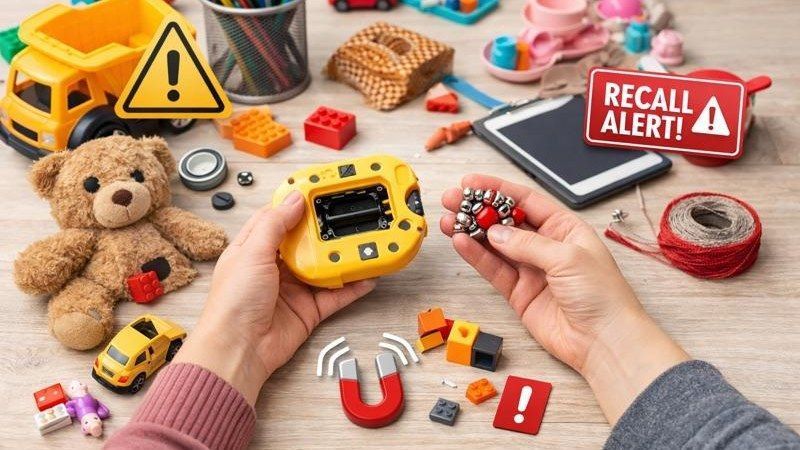
Recalls vs. safety warnings: what parents need to know
Understanding the difference between these two outcomes can help you protect your family more effectively.
In the world of Reese's Purpose, you've seen the many recall headlines describing violations of Reese's Law. A typical CPSC voluntary recall notice will say something like "Light-up Glasses Due to Risk of Serious Injury or Death from Battery Ingestion; Violate Mandatory Standard for Consumer Products with Button Cell Batteries." Recall notices like these have become a regular part of the headlines since Reese's Law took effect. However, not every violation of Reese's Law ends in a recall. Some instead result in a product safety warning. Again, these are slightly different. Let's explore how.
Our Advocacy Partners
Scroll Safe Infant Sleep for safe sleep practices
Parents for Window Blind Safety for blind cord injury prevention
Parents Against Tip-Over for furniture safety
Water bead safety advocate name and organization
Kids in Danger for product recall history and advocacy (we steward the recall digest they built)
Stay close
We send a note when something changes. New legislation. A serious recall. A new partner. A milestone in the work. No spam. Just a word directly from us.
Suspect a child has swallowed a button battery?
Time matters. A button battery lodged in a child's esophagus can cause serious tissue damage in two hours. Do not wait for symptoms. Call the National Battery Ingestion Hotline immediately, and go to a hospital emergency department that has both an operating room and X-ray capability.