


January Is National Bath Safety Month: Keep Your Kids Safe
Bath time is part of our daily routine, but it's easy to forget how quickly accidents can happen. January is National Bath Safety Month, making it the perfect time to review safety steps and protect your children.
Each year, dozens of children die from drownings at home, most in bathtubs. The good news is that simple precautions can prevent these tragedies.
Supervision is Key
Even a small amount of water can be dangerous. Never leave a child alone in the bath, not even for a moment. Have everything you need on hand before the bath starts, and drain the tub immediately when bath time is over.
Prevent Slips and Falls
Use non-slip mats in the tub and on the floor, cover faucets with cushions, and secure toilet lids with locks. Anti-slip rugs help prevent slips outside the tub.
Water Temperature
Keep bath water at a safe, comfortable temperature, around 100°F (37.8°C). Test with your wrist or elbow before your child enters to avoid scalds or chills.
Store Medicines and Toiletries Safely
Keep medicines, toiletries, and cleaning products out of reach in locked cabinets or on high shelves. Toilet seat locks can prevent curious toddlers from accidents.
Keep Electronics Away
Never use electrical appliances near water. Store hairdryers, razors, and other devices safely, far from sinks, tubs, or showers.
Bath time should be fun and relaxing. A few simple changes can make all the difference in keeping kids safe and giving families peace of mind.

This is paragraph text. Click it or hit the Manage Text button to change the font, color, size, format, and more. To set up site-wide paragraph and title styles, go to Site Theme.
Stay close
We send a note when something changes. New legislation. A serious recall. A new partner. A milestone in the work. No spam. Just a word directly from us.
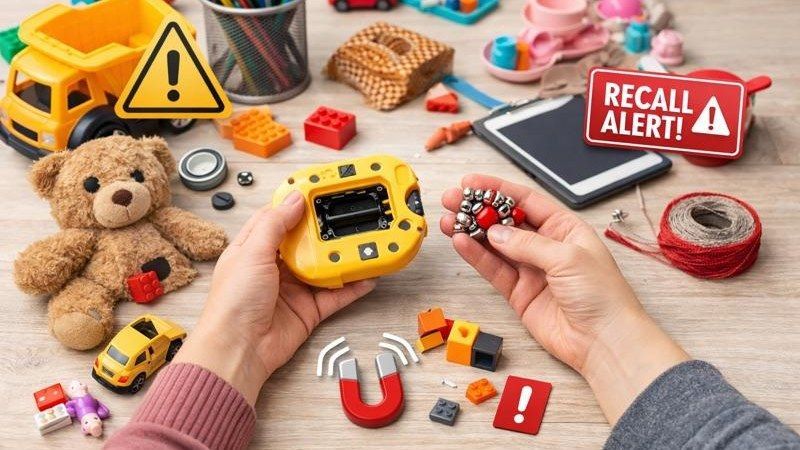
Suspect a child has swallowed a button battery?
Time matters. A button battery lodged in a child's esophagus can cause serious tissue damage in two hours. Do not wait for symptoms. Call the National Battery Ingestion Hotline immediately, and go to a hospital emergency department that has both an operating room and X-ray capability.