

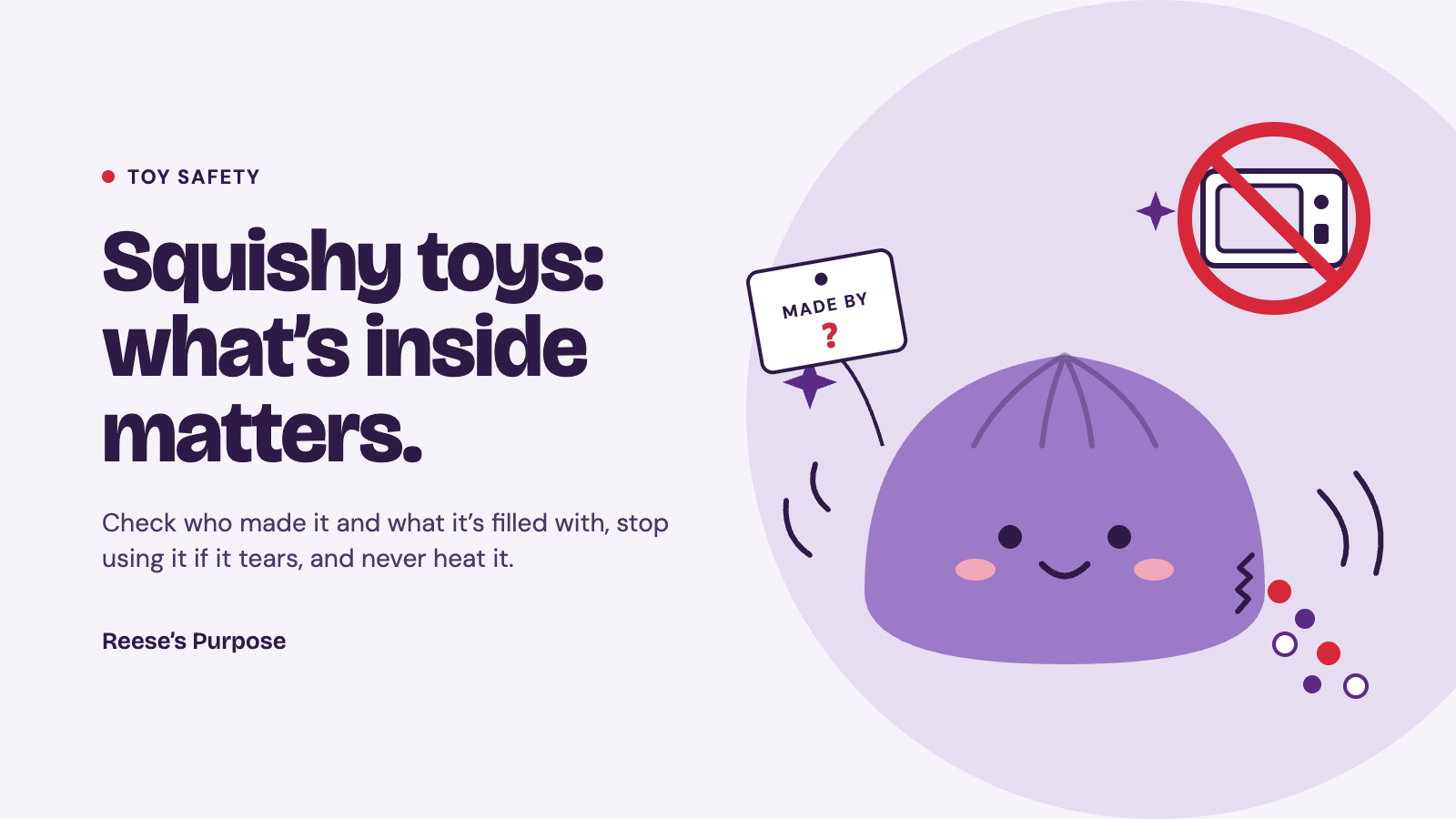
Squishy toys are everywhere: food-shaped stress toys, stretchy animals, glittery dumplings and soft toys filled with sand, gel or beads. They’re fun to squeeze, collect and trade. But “squishy” describes many different products, and their safety can depend on what’s inside, how the toy is made and what happens if it tears. The U.S. Consumer Product Safety Commission (CPSC) has warned about counterfeit squishy toys that may not meet federal requirements for children’s products. Some may contain water beads, small parts, lead, prohibited phthalates or other hazardous substances. If a toy’s outer covering breaks, a child could be exposed to its filling through mouthing, swallowing or inhaling it. ( cpsc.gov ) Are squishy toys tested? Children’s toys are subject to safety requirements. Toys intended primarily for children 12 and younger generally must be tested by a CPSC-accepted third-party laboratory for the rules that apply to them, and the manufacturer or importer must issue a Children’s Product Certificate. ( cpsc.gov ) The federal toy standard includes a section called “Squeeze Toys.” That section covers specific requirements for certain squeeze toys intended for children under 18 months, and CPSC lists the section as requiring third-party testing. Other toy requirements may apply depending on the product’s materials, design and features. ( cpsc.gov ) That does not mean every product sold as a squishy is tested for every possible hazard or way a child might use it. The word “squishy” covers toys with very different fillings and construction. And families usually can’t see a product’s underlying test reports when they shop. CPSC has specifically warned that counterfeit squishy toys may be sold without required testing and certification. ( cpsc.gov ) The filling matters Some squishy toys contain water beads. If swallowed, water beads can expand and cause choking, intestinal blockage and other serious injuries. CPSC has issued recalls for squishy dumpling toys containing water beads, including one recall announced in September 2026. ( cpsc.gov ) Other toys may contain sand, gel, liquid or powder. In May 2026, CPSC announced a recall of about 121,000 Orb Funkee squeeze toys after the sand inside may have contained fibrous tremolite, a form of asbestos that can pose a health risk if inhaled. The recall notice instructed consumers to stop using affected toys and follow the company’s directions for handling and disposal. ( cpsc.gov ) These recalls involve specific products. They do not establish that all squishy toys contain these materials. They do show why it matters to know what a toy contains and what to do if its outer covering breaks. Don’t heat squishy toys CPSC has also warned about social media videos encouraging people to microwave squishy toys. Never microwave or heat a squishy toy. A toy can become dangerously hot or burst, releasing sticky filling that may cling to skin and worsen a burn. CPSC also warns that squishy toys can become dangerously hot in direct sunlight, inside a hot vehicle or near a heater. ( cpsc.gov ) What can families check? Before buying or giving a squishy toy: Look for a clearly identified manufacturer, age guidance and required safety information. Be cautious if the seller or product details are unclear, especially on online marketplaces. Check CPSC recalls and warnings. Avoid products with a strong chemical odor or an oily, unusually sticky or leaking surface. Stop using a toy that is torn, leaking or easy to pull apart. Keep children away from any exposed filling and follow recall or manufacturer instructions for disposal. Keep squishy toys away from heat, direct sunlight and hot vehicles. Never microwave them. The squishy trend is a chance to ask a bigger product-safety question: Can families tell what a toy contains, what testing applies to it and what to do if it fails during ordinary play? Clear product information and durable construction matter. A toy should be designed with children’s real behavior in mind—including repeated squeezing, mouthing and the possibility that the toy will be dropped, stretched or shared. Before handing a squishy toy to a child, take a moment to check the product and its source. If you can’t identify who made it or find basic safety information, choose a different toy.
Learn why cordless window coverings are vital for child safety. Advocate for safer homes with Reese's Purpose.
Understand safe sleep practices for infants. Advocate for child safety & learn about unsafe products. Join us in promoting safe sleep!

Learn how Reese's Purpose promotes child safety through collaboration at the ICPHSO Symposium. Join us in advocating for safer products.
Understand recalls vs. warnings to protect your family. Learn how Reese's Law enhances child safety and what actions to take.
Verify safety info during Baby Safety Month. Learn essential tips for keeping your child safe at home. Act now for peace of mind!

Read Emory's story of love, loss & hope. Join Reese's Purpose in advocating for child safety and honoring her memory.
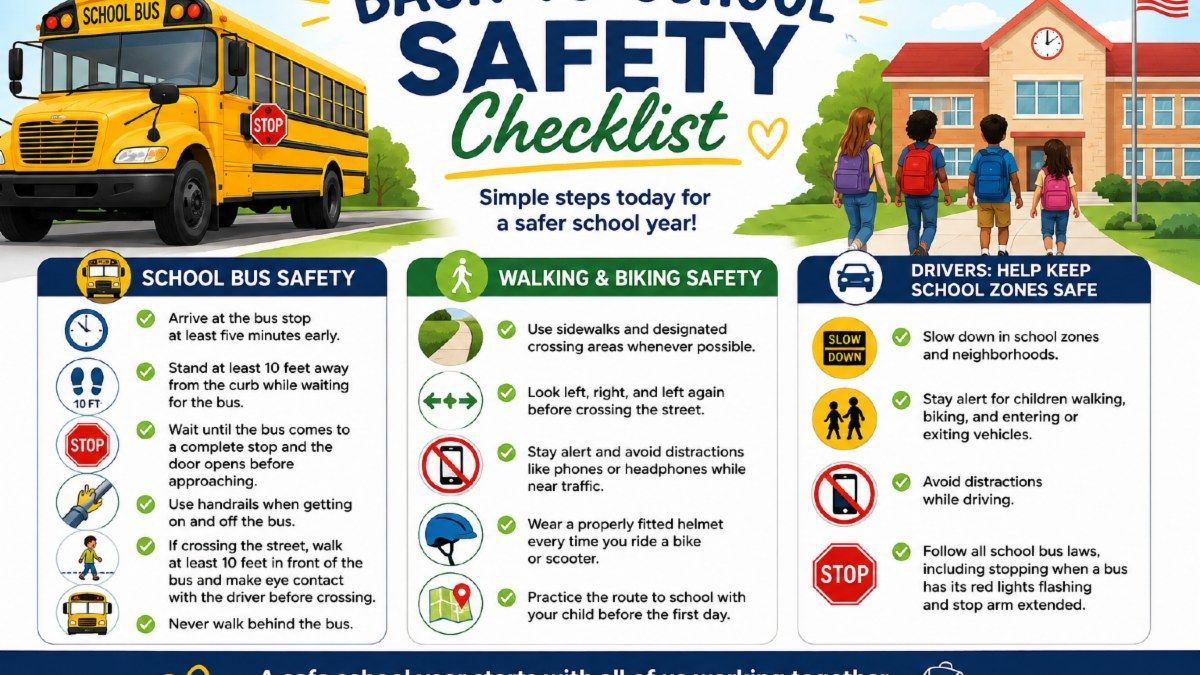
Ensure child safety this school season with key tips for buses, walking, & biking. Review your safety routines today!

Learn how swimsuit color impacts child visibility in water. Prioritize safety & choose bright colors for drowning prevention.

Join us in advocating for child safety through the 5th Annual Reese's Purpose Golf Tournament. Support our mission with donations today!