
In honor of Safe Sleep Month: safe sleep is simple, but the marketplace is not
Written with Michelle Barry, President, Safe Infant Sleep(safeinfantsleep.org)
Every parent knows the exhaustion that comes with caring for a new baby. When everyone is desperate for sleep, a product promising longer rest, better comfort, or relief from fussiness can feel like an answer.
But "cozy" does not always mean safe. A product sold in the baby aisle, promoted online, or described as a sleeper, nest, or lounger is not automatically safe for infant sleep.
October is Infant Safe Sleep Month. Reese's Purpose is helping families understand what a safe sleep environment looks like and how to recognize products that may place babies at risk.
Why safe sleep matters
Approximately 3,400 babies under age one die suddenly and unexpectedly in the United States each year. These deaths, known as sudden unexpected infant deaths (SUID), include SIDS, accidental suffocation and strangulation in bed, and deaths from unknown causes.
Recent CDC research found unsafe sleep factors present in at least three-fourths of the SUID cases reviewed from 2020 through 2024. This does not mean every sleep-related death is preventable or that grieving families are to blame. It means reducing known risks matters.
Keep sleep firm, flat, and bare
For every nap and every night, place babies on their backs on a firm, flat, and level mattress in a safety-approved crib, bassinet, bedside sleeper, or play yard. Use only a tightly fitted sheet and keep pillows, blankets, bumpers, positioners, stuffed animals, and other soft objects out of the sleep space.
Keep the baby's sleep space in the parents' room, but not in the parents' bed, ideally for at least the first six months.
A properly sized, non-weighted sleep sack can provide warmth without loose bedding. Look for one that passes the new ASTM F3735 safety standard. Weighted sleep sacks, weighted swaddles, and weighted blankets should not be used.
If families choose to swaddle, babies should always be placed on their backs, and swaddling should stop as soon as they show signs of trying to roll.
Not every baby product is safe for sleep
Babies may fall asleep in car seats, swings, rockers, bouncers, and strollers, but these products are not safe sleep spaces. If a baby falls asleep in one, move them to a firm, flat sleep surface as soon as it is safe to do so.
Loungers, nursing pillows, and positioners should never be used as sleep surfaces. Babies also should not sleep on couches, recliners, adult mattresses, or other soft surfaces.
No product can prevent SIDS. Home heart, breathing, or movement monitors have not been shown to prevent SIDS or replace safe-sleep practices.
Older and recalled products are still out there
Federal law now bans inclined infant sleepers with sleep angles greater than 10 degrees and crib bumpers, and products marketed or intended for infant sleep must meet federal safety requirements.
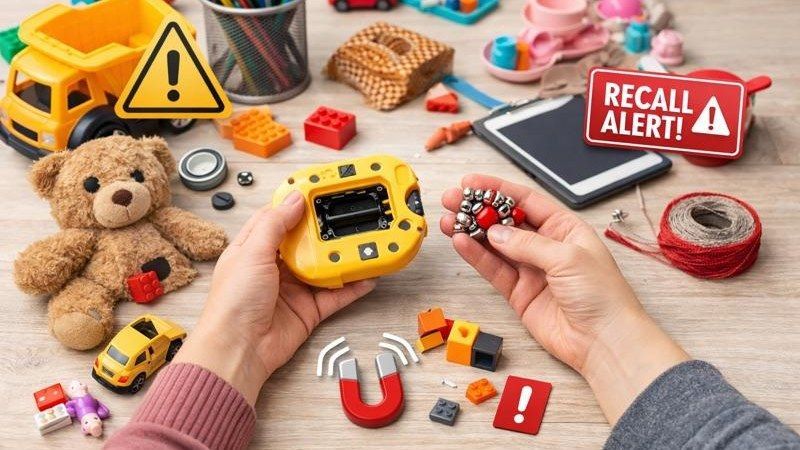
But banned and recalled products can still be found in homes, handed down between families, and sold secondhand.
Before using a secondhand product, check for recalls. Register new durable infant products with the manufacturer, follow age, weight, and developmental limits, and check the CPSC recall list regularly. Never sell, donate, or give away a recalled or banned infant sleep product.
Safe sleep applies everywhere
Safe sleep practices should be followed by everyone caring for a baby, including grandparents, babysitters, childcare providers, and friends.
Place babies on their backs at the beginning of every sleep. Once a baby can roll both ways on their own, caregivers do not need to keep turning them back over, but the sleep space should remain bare.
When traveling, plan ahead for an approved crib, bassinet, or play yard rather than relying on an adult bed, couch, or unfamiliar sleep product.
A clearer message for every family
Safe sleep should not require families to sort through confusing advertising, conflicting advice, or products that look safe but are not designed for sleep.
The message is simple:
Back to sleep. Firm, flat, and level. A bare crib, bassinet, bedside sleeper, or play yard. Every nap. Every night. Every caregiver.
Families deserve clear safety information before harm happens, and every product made or marketed for children should protect them as intended.
For more safe-sleep information, visit the CDC, the NIH Safe to Sleep campaign, and the U.S. Consumer Product Safety Commission.
Need to register your products? Use this product registration directory: click the link for your product and fill out the form.