


By  • September 1, 2026

September is Baby Safety Month®, an annual campaign focused on giving parents and caregivers trusted information to help keep babies and young children safe.

This year's message is simple but important: Viral does not mean verified. Safety shouldn't be a guessing game.

Parents are surrounded by advice on social media. New products, parenting shortcuts, and baby "hacks" appear in our feeds every day, but popular does not always mean safe. Before using a product or trying advice found online, take time to make sure the information comes from a trusted source, qualified professional, or current safety guidance.

Before You Try, Verify

When selecting or using products for your baby:

  • Choose products appropriate for your child's age, size, and stage of development.
  • Read and follow all manufacturer instructions, warnings, and height and weight limits.
  • Use every strap and restraint correctly and securely.
  • Never add accessories or make changes that are not approved by the manufacturer.
  • Register products so the manufacturer can contact you about recalls or other safety concerns.
  • Check products regularly for recalls, damage, missing pieces, loose hardware, or signs of wear.
  • Stop using a product once your child reaches its age, height, weight, or developmental limit.
  • Look for the Baby Safety Alliance Verified Seal when shopping. The seal means the product has been independently tested to applicable safety standards.

Make Every Sleep a Safe Sleep

Products made for feeding, playing, or lounging should only be used while a baby is awake and supervised. Swings, bouncers, nursing pillows, and loungers are not safe sleep spaces.

If your baby falls asleep in one of these products, move them to a crib, bassinet, play yard, or bedside sleeper designed for infant sleep.

Before using a sleep product:

  • Check that it has not been recalled.
  • Make sure it is properly assembled and has no missing, loose, or broken parts.
  • Use a firm, properly fitting mattress with only a fitted sheet.
  • Never add blankets, pillows, bumpers, positioners, or toys.
  • Do not use a drop-side crib or another outdated sleep product.
  • Register the product with its manufacturer.

Choose the Right Car Seat for Every Stage

Child passenger safety begins with selecting the correct car seat and using it properly on every ride.

Children should remain rear-facing until they reach the maximum rear-facing height or weight allowed by the car-seat manufacturer. They should then use a forward-facing seat with a harness until reaching its limits, followed by a belt-positioning booster until the vehicle's seat belt fits correctly.

Parents and caregivers should also:

  • Keep children younger than 13 in the back seat.
  • Follow both the car-seat instructions and applicable state law.
  • Register the car seat and check its expiration date.
  • Avoid using a seat with missing labels, an unknown history, or crash damage.
  • Keep vehicle doors and trunks locked and key fobs out of children's reach.
  • Never leave a child alone inside a vehicle, not even for a moment.

Babyproofing Is an Ongoing Process

A home that is safe for a newborn may look very different once that baby begins rolling, crawling, reaching, and climbing. Babyproofing should continue as children grow and develop new skills.

Look beyond the obvious hazards by:

  • Locking medicines, cleaners, sharp objects, matches, and lighters away.
  • Using hardware-mounted safety gates at the top of stairs.
  • Anchoring furniture, televisions, and freestanding ranges.
  • Keeping cords, hanging tablecloths, and small objects out of reach.
  • Using window guards and remembering that screens do not prevent falls.
  • Setting the water heater to 120°F to help prevent scalds.
  • Placing swings, bouncers, and play products on the floor rather than elevated surfaces.
  • Checking grandparents' homes and every other place where your baby regularly spends time.

Baby Safety Month is not about expecting parents to anticipate every possible danger. It is about helping families find reliable information, use products correctly, and make safer choices with confidence.

Before you buy, before you try, and before you share, verify.

Continue Learning

This is your promotional banner

This is the text area for this paragraph


Insights to fuel your marketing business

Sign up to get industry insights, trends, and more in your inbox.

Contact Us

SHARE THIS

Latest Posts

Parents for Window Blind Safety Lab Tested Mom Approved seal
By Linda Kaiser • October 7, 2026
Learn why cordless window coverings are vital for child safety. Advocate for safer homes with Reese's Purpose.
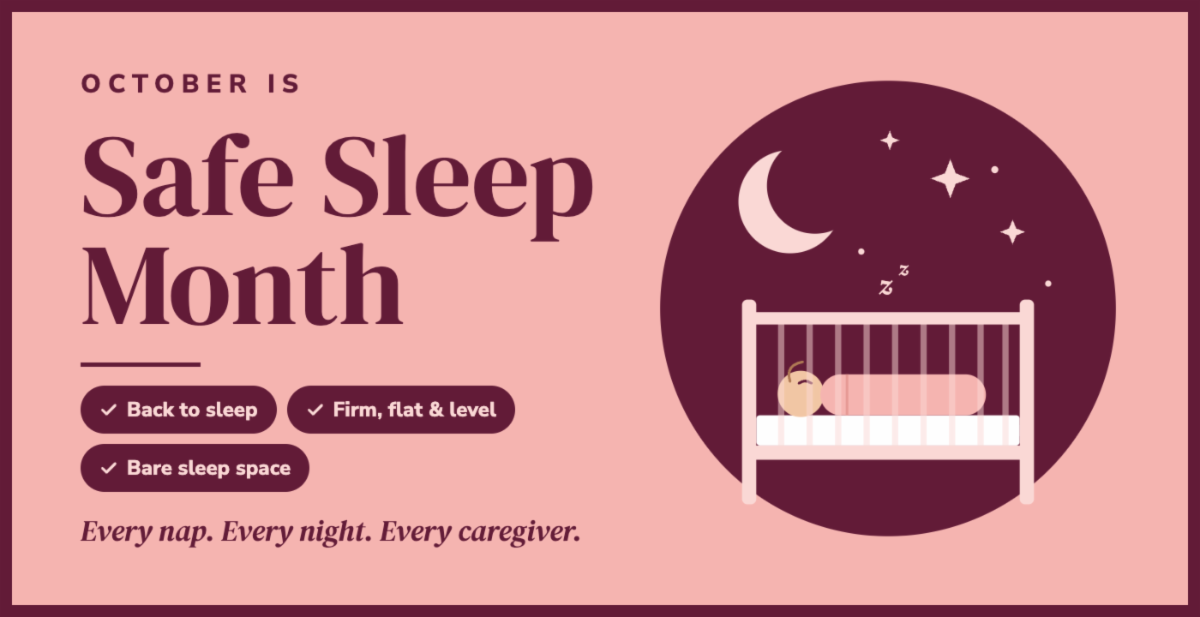
October is Safe Sleep Month
By Reese's Purpose • October 7, 2026
Understand safe sleep practices for infants. Advocate for child safety & learn about unsafe products. Join us in promoting safe sleep!

Trista Hamsmith on stage with fellow panelists at the 2026 ICPHSO International Symposium in Brussels, Belgium
By Reese's Purpose • October 7, 2026
Learn how Reese's Purpose promotes child safety through collaboration at the ICPHSO Symposium. Join us in advocating for safer products.
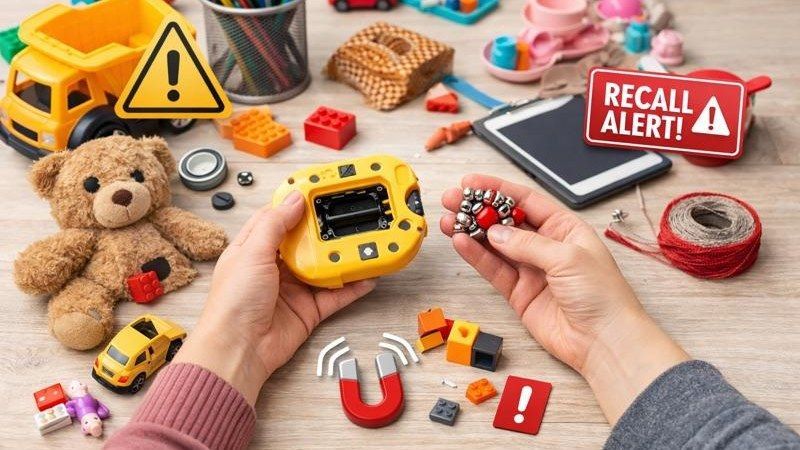
Hands holding recalled toy and parts beside warning signs and
By Reese's Purpose • September 1, 2026
Understand recalls vs. warnings to protect your family. Learn how Reese's Law enhances child safety and what actions to take.

Smiling child in a light shirt sitting outdoors on grass with a blurred background
By Reese's Purpose • August 1, 2026
Read Emory's story of love, loss & hope. Join Reese's Purpose in advocating for child safety and honoring her memory.
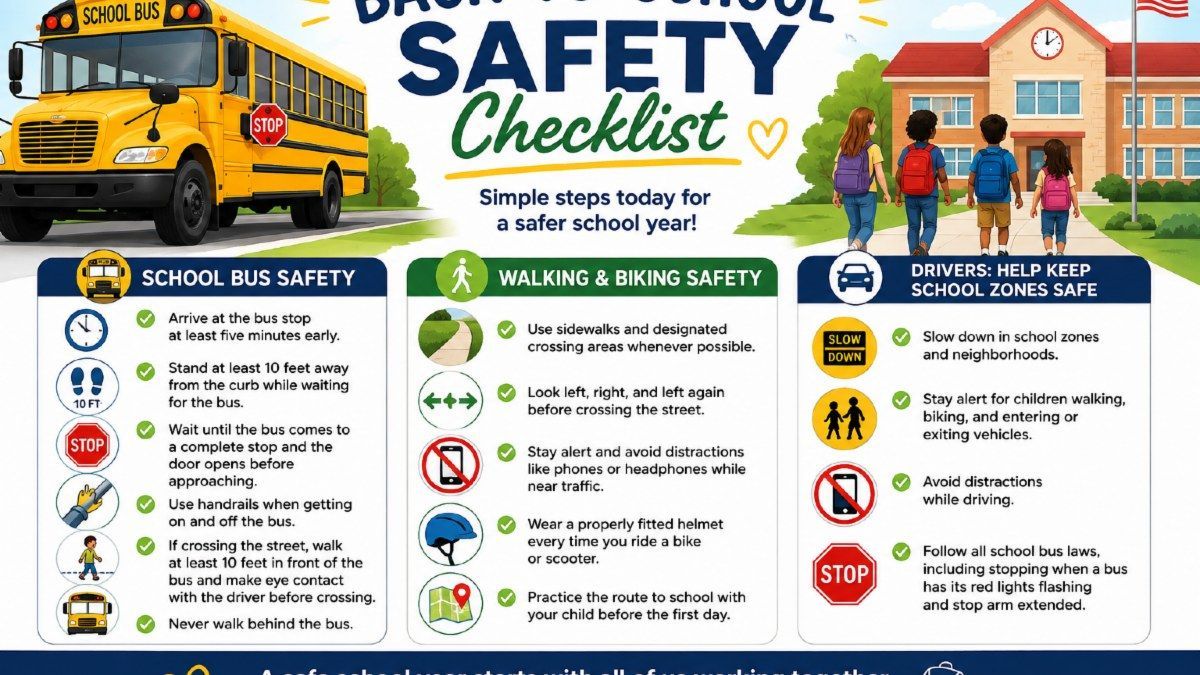
School bus safety checklist poster with bus, children, and road safety icons on a bright yellow background
By Reese's Purpose • August 1, 2026
Ensure child safety this school season with key tips for buses, walking, & biking. Review your safety routines today!

Stay close


We send a note when something changes. New legislation. A serious recall. A new partner. A milestone in the work. No spam. Just a word directly from us.

Suspect a child has swallowed a button battery?


Time matters. A button battery lodged in a child's esophagus can cause serious tissue damage in two hours. Do not wait for symptoms. Call the National Battery Ingestion Hotline immediately, and go to a hospital emergency department that has both an operating room and X-ray capability.

Button Battery Safety

Poison Control

Battery Investigation Hotline