


Before you buy a toy for a child, take a moment to think about who else may be around when it’s opened and played with. Holiday shopping often starts with a child’s favorite character, a wish list or a toy that’s suddenly everywhere online. Those are fun ways to find a gift. Safety deserves a place on the list, too—especially when the child has younger siblings, cousins or friends who may share the same space. A toy is purchased for one child, but it enters a household. A small piece can end up on the floor, a toy can be passed from one child to another, and a battery-powered novelty can attract attention from a curious toddler. Before buying, ask the child’s parent or caregiver about the ages in the home and whether there are toys or features they prefer to avoid. Start with the child’s age and abilities Check the age guidance and warnings on the package, and choose a toy that fits the child’s age, interests and abilities. The recommended age can reflect features such as small parts, how a toy is assembled or how it is meant to be used. A child may be advanced in some ways and still be too young for a particular toy’s hazards. The ages of other children in the home matter, too. CPSC advises shoppers to consider all the children in the household, since toys with small parts, projectiles or sharp edges can pose risks to younger siblings. For children under 3, small parts and small balls can be choking hazards. CPSC also advises keeping deflated balloons away from children younger than 8, since uninflated or broken pieces can create a choking or suffocation hazard. If you’re unsure whether a toy is a good fit, ask the caregiver before purchasing. That quick conversation can help avoid a gift that needs to be kept out of reach, played with only under close supervision or returned. Look closely at toys with batteries or magnets Some toys and novelty gifts contain small button or coin batteries. If swallowed, these batteries can cause serious internal injuries and can be fatal. CPSC guidance says toys containing button or coin batteries must have secure compartments; its consumer advice also encourages families to check that battery compartments are secured and to keep loose batteries away from children. If you’re considering a light-up, musical or electronic toy, look for a battery compartment that closes securely. Avoid giving children loose replacement batteries as part of a gift, and ask the caregiver to handle any battery installation. After the toy is opened, check that the compartment remains firmly closed. High-powered magnets need care as well. If swallowed, more than one magnet can attract across tissues and cause severe injury. Avoid gifting small, loose magnetic pieces to a household with young children unless the caregiver has said the toy is appropriate and can be kept safely away from them. Be cautious with squishy toys and water beads A squishy toy may look soft and harmless, but the filling matters. Some squishy toys contain water beads—small beads that can expand after they are swallowed. CPSC reports that nearly 7,000 water bead-related ingestion injuries were treated in U.S. emergency departments from 2018 through 2022, and it is aware of a child death involving water beads. Read the product description and packaging carefully, especially for squishy or “sensory” toys. If the contents aren’t clear, or the listing uses vague language, choose another gift. Also check CPSC recalls and warnings before buying: products that look similar can differ in what they contain and how they are made. Shop carefully online and secondhand A familiar retailer or a seller you trust can make it easier to find product details and contact the company if something goes wrong. Be cautious with deals that seem unusually cheap, listings with little safety information, and products that don’t clearly identify the seller or manufacturer. CPSC warns that some online products may be hazardous or counterfeit. For secondhand items, check the recall database before buying. When shopping online, read beyond the product title and photos. Look for the recommended age, warnings, materials or components, and any information about batteries or small parts. Check that the listing describes the actual item being sold, rather than a similar-looking product. If you can’t find basic safety information, consider a different gift. Think about what comes with the toy A child’s gift may include accessories, projectiles, craft pieces, charging cords or protective equipment. Think through the whole package, not just the main toy. For a scooter or other riding toy, include properly fitted safety gear, such as a helmet, and make sure the caregiver is comfortable with the gift. CPSC recommends helmets for scooters and other riding toys and says children should use them every time they ride. For toys that need adult assembly, charging or battery installation, let the caregiver know what the toy requires. Keep small accessories and packaging away from younger children, and dispose of plastic wrapping promptly after gifts are opened. A quick checklist for gift-givers Before you buy, ask: Is the toy appropriate for the child’s age and abilities? Are there younger children who may be nearby or share the toy? Does it have small parts, magnets, button batteries, water beads or projectiles? Are the warnings and product details easy to find? Is the seller trustworthy, and have I checked for recalls? Does the gift need a helmet, adult assembly or special supervision? A thoughtful gift can still be fun, exciting and full of surprises. Taking a few minutes to check how it fits the child—and the other children who may be around—can help make opening day safer for everyone.
Learn why cordless window coverings are vital for child safety. Advocate for safer homes with Reese's Purpose.
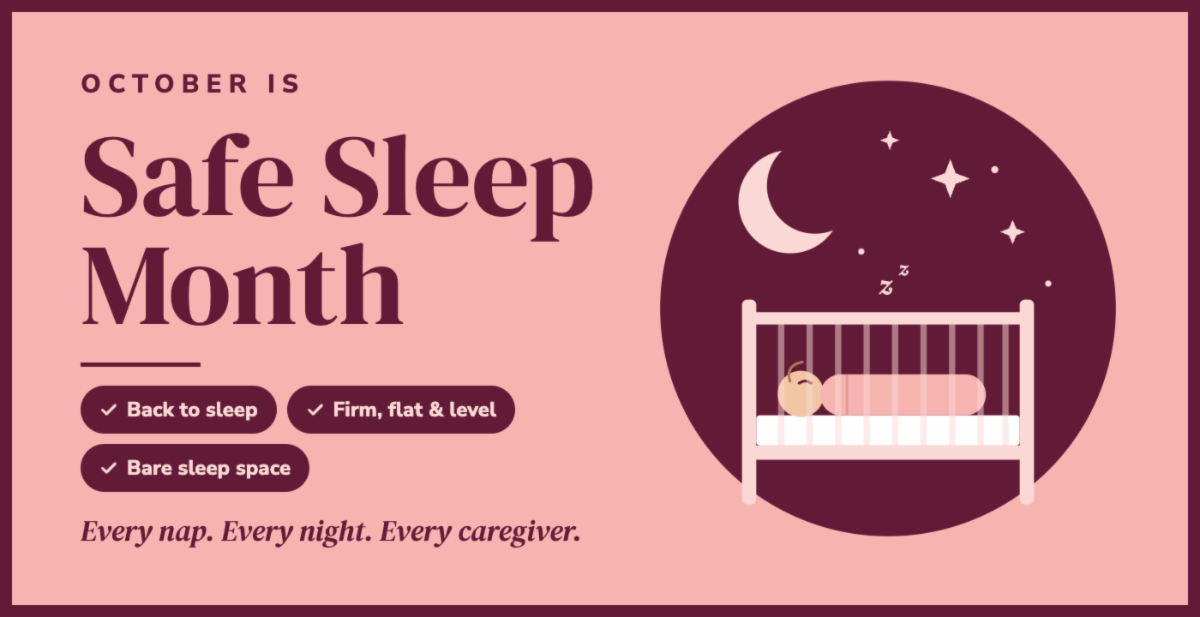
Understand safe sleep practices for infants. Advocate for child safety & learn about unsafe products. Join us in promoting safe sleep!

Learn how Reese's Purpose promotes child safety through collaboration at the ICPHSO Symposium. Join us in advocating for safer products.
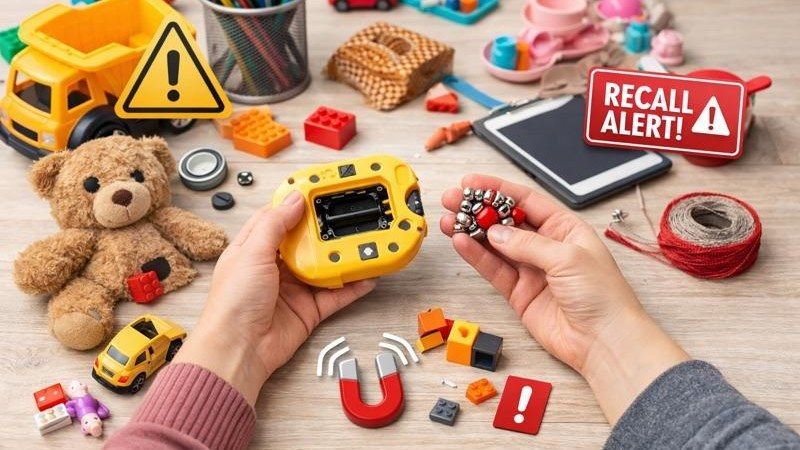
Understand recalls vs. warnings to protect your family. Learn how Reese's Law enhances child safety and what actions to take.
Verify safety info during Baby Safety Month. Learn essential tips for keeping your child safe at home. Act now for peace of mind!

Read Emory's story of love, loss & hope. Join Reese's Purpose in advocating for child safety and honoring her memory.
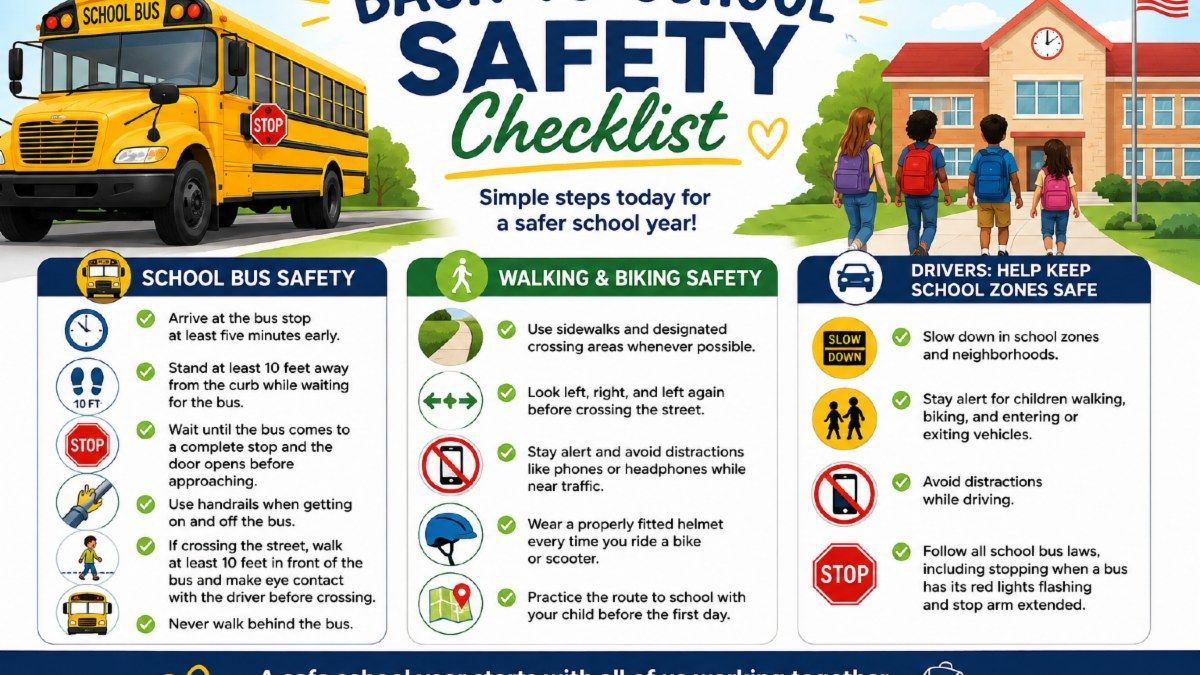
Ensure child safety this school season with key tips for buses, walking, & biking. Review your safety routines today!

Learn how swimsuit color impacts child visibility in water. Prioritize safety & choose bright colors for drowning prevention.

Join us in advocating for child safety through the 5th Annual Reese's Purpose Golf Tournament. Support our mission with donations today!