


New Safety Standard for Wearable Sleep Products
ASTM F3735 | Infant & Toddler Wearable Sleep Products
There's a new voluntary safety standard impacting infant and toddler sleep products. ASTM F3735 was recently released by ASTM International and covers wearable sleep products such as sleep sacks, transition products, and garments with swaddling features worn by infants and toddlers.
What This Standard Covers
ASTM F3735 sets minimum safety requirements designed to address known hazards, including:
- Neck size requirements to help reduce suffocation risk
- Swaddle band design requirements to help reduce strangulation risk
- Labeling and instructions to support safer use
- Construction and durability testing to ensure seams and closures remain intact
Products covered under this standard must not include:
- Hoods or head coverings
- Pockets
- 3D decorations or attachments (pom-poms, bows, cords, ties, sequins, etc.)
What It Does Not Cover
This standard does not apply to loose blankets or loose swaddles, step-in blankets that only cover legs/feet, or camping and outdoor sleep products. If a product combines a wearable portion with another item, the standard applies only to the wearable component.
What Parents Should Know
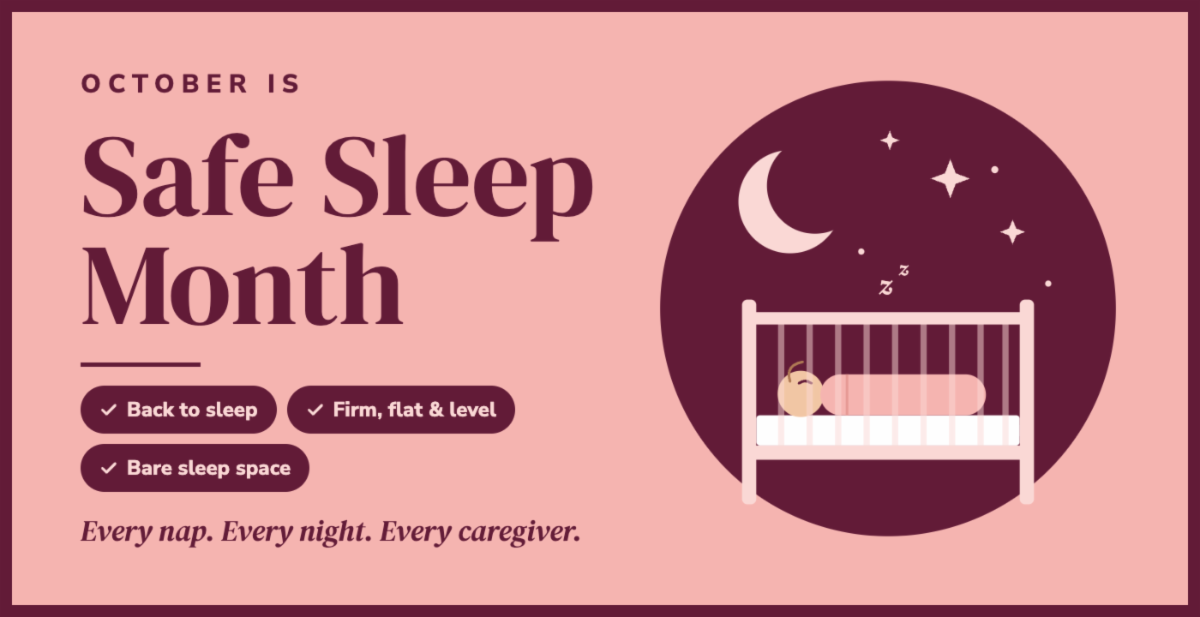
Standards establish minimum safety requirements. Compliance does not mean a product is risk-free. Caregivers should continue to follow safe sleep recommendations from the American Academy of Pediatrics, including placing infants on their backs, on a firm sleep surface, without loose bedding.
Why This Matters
Safety standards evolve based on real-world injury data. Reporting incidents through SaferProducts.gov helps regulators and standards organizations identify patterns and strengthen protections over time.
At Reese's Purpose, we support stronger standards, better reporting, and clearer guidance, because product design and regulation are critical layers of protection for families.

This is paragraph text. Click it or hit the Manage Text button to change the font, color, size, format, and more. To set up site-wide paragraph and title styles, go to Site Theme.
Stay close
We send a note when something changes. New legislation. A serious recall. A new partner. A milestone in the work. No spam. Just a word directly from us.
Suspect a child has swallowed a button battery?
Time matters. A button battery lodged in a child's esophagus can cause serious tissue damage in two hours. Do not wait for symptoms. Call the National Battery Ingestion Hotline immediately, and go to a hospital emergency department that has both an operating room and X-ray capability.