


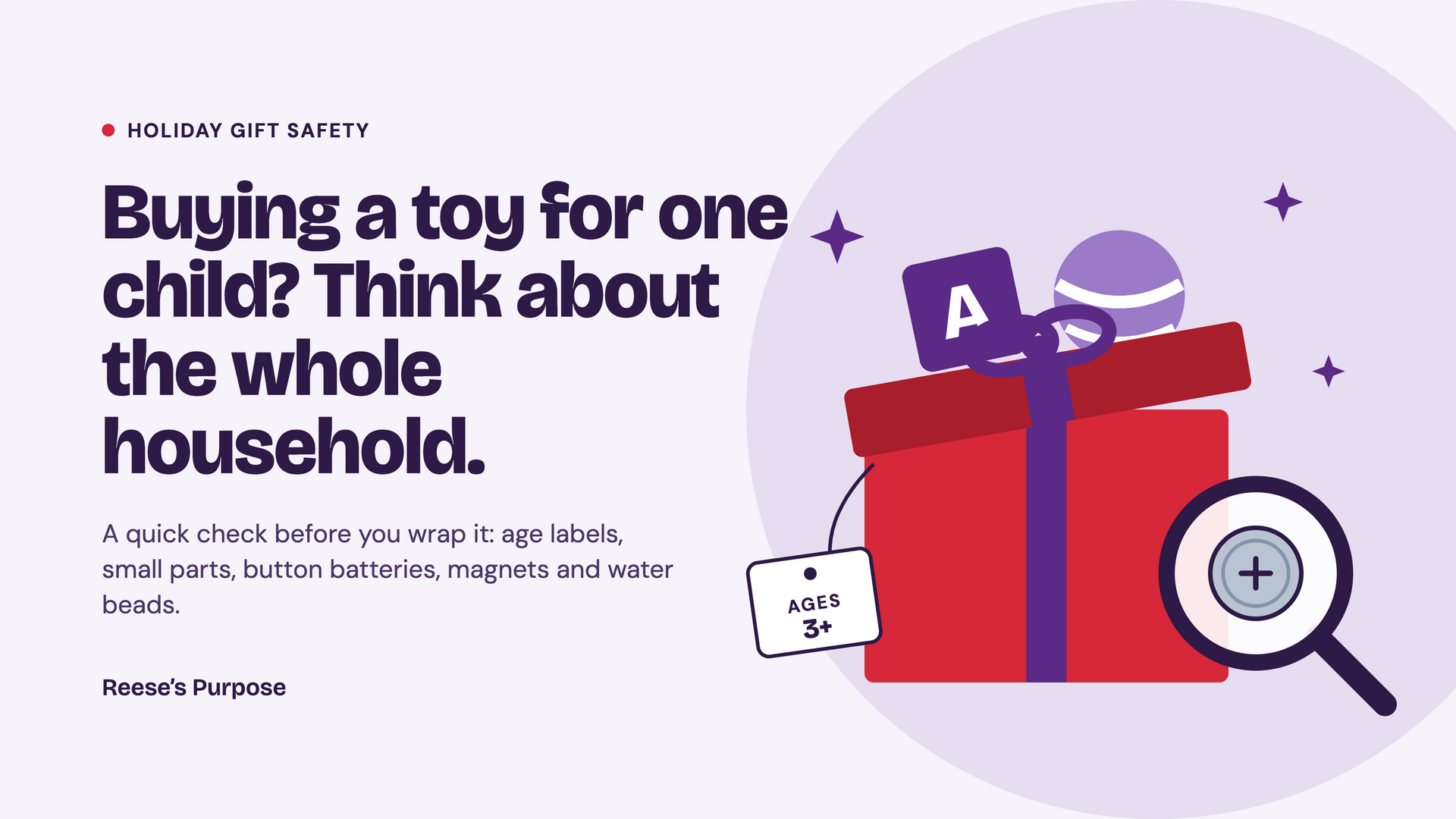
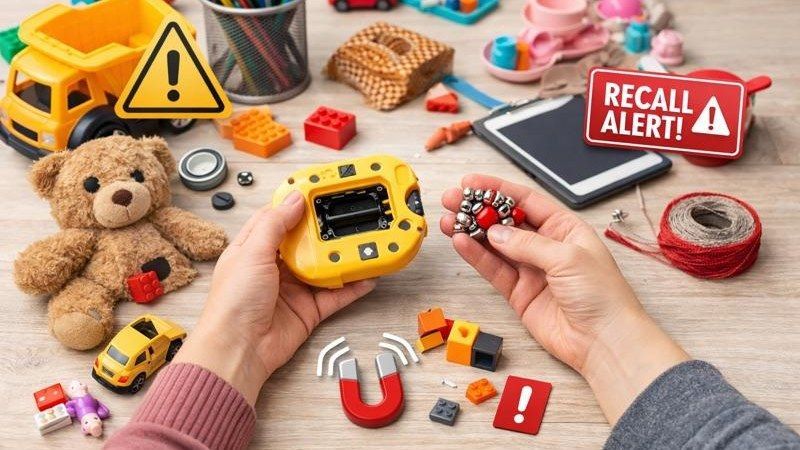
Before you buy a toy for a child, take a moment to think about who else may be around when it’s opened and played with. Holiday shopping often starts with a child’s favorite character, a wish list or a toy that’s suddenly everywhere online. Those are fun ways to find a gift. Safety deserves a place on the list, too—especially when the child has younger siblings, cousins or friends who may share the same space. A toy is purchased for one child, but it enters a household. A small piece can end up on the floor, a toy can be passed from one child to another, and a battery-powered novelty can attract attention from a curious toddler. Before buying, ask the child’s parent or caregiver about the ages in the home and whether there are toys or features they prefer to avoid. Start with the child’s age and abilities Check the age guidance and warnings on the package, and choose a toy that fits the child’s age, interests and abilities. The recommended age can reflect features such as small parts, how a toy is assembled or how it is meant to be used. A child may be advanced in some ways and still be too young for a particular toy’s hazards. The ages of other children in the home matter, too. CPSC advises shoppers to consider all the children in the household, since toys with small parts, projectiles or sharp edges can pose risks to younger siblings. For children under 3, small parts and small balls can be choking hazards. CPSC also advises keeping deflated balloons away from children younger than 8, since uninflated or broken pieces can create a choking or suffocation hazard. If you’re unsure whether a toy is a good fit, ask the caregiver before purchasing. That quick conversation can help avoid a gift that needs to be kept out of reach, played with only under close supervision or returned. Look closely at toys with batteries or magnets Some toys and novelty gifts contain small button or coin batteries. If swallowed, these batteries can cause serious internal injuries and can be fatal. CPSC guidance says toys containing button or coin batteries must have secure compartments; its consumer advice also encourages families to check that battery compartments are secured and to keep loose batteries away from children. If you’re considering a light-up, musical or electronic toy, look for a battery compartment that closes securely. Avoid giving children loose replacement batteries as part of a gift, and ask the caregiver to handle any battery installation. After the toy is opened, check that the compartment remains firmly closed. High-powered magnets need care as well. If swallowed, more than one magnet can attract across tissues and cause severe injury. Avoid gifting small, loose magnetic pieces to a household with young children unless the caregiver has said the toy is appropriate and can be kept safely away from them. Be cautious with squishy toys and water beads A squishy toy may look soft and harmless, but the filling matters. Some squishy toys contain water beads—small beads that can expand after they are swallowed. CPSC reports that nearly 7,000 water bead-related ingestion injuries were treated in U.S. emergency departments from 2018 through 2022, and it is aware of a child death involving water beads. Read the product description and packaging carefully, especially for squishy or “sensory” toys. If the contents aren’t clear, or the listing uses vague language, choose another gift. Also check CPSC recalls and warnings before buying: products that look similar can differ in what they contain and how they are made. Shop carefully online and secondhand A familiar retailer or a seller you trust can make it easier to find product details and contact the company if something goes wrong. Be cautious with deals that seem unusually cheap, listings with little safety information, and products that don’t clearly identify the seller or manufacturer. CPSC warns that some online products may be hazardous or counterfeit. For secondhand items, check the recall database before buying. When shopping online, read beyond the product title and photos. Look for the recommended age, warnings, materials or components, and any information about batteries or small parts. Check that the listing describes the actual item being sold, rather than a similar-looking product. If you can’t find basic safety information, consider a different gift. Think about what comes with the toy A child’s gift may include accessories, projectiles, craft pieces, charging cords or protective equipment. Think through the whole package, not just the main toy. For a scooter or other riding toy, include properly fitted safety gear, such as a helmet, and make sure the caregiver is comfortable with the gift. CPSC recommends helmets for scooters and other riding toys and says children should use them every time they ride. For toys that need adult assembly, charging or battery installation, let the caregiver know what the toy requires. Keep small accessories and packaging away from younger children, and dispose of plastic wrapping promptly after gifts are opened. A quick checklist for gift-givers Before you buy, ask: Is the toy appropriate for the child’s age and abilities? Are there younger children who may be nearby or share the toy? Does it have small parts, magnets, button batteries, water beads or projectiles? Are the warnings and product details easy to find? Is the seller trustworthy, and have I checked for recalls? Does the gift need a helmet, adult assembly or special supervision? A thoughtful gift can still be fun, exciting and full of surprises. Taking a few minutes to check how it fits the child—and the other children who may be around—can help make opening day safer for everyone.
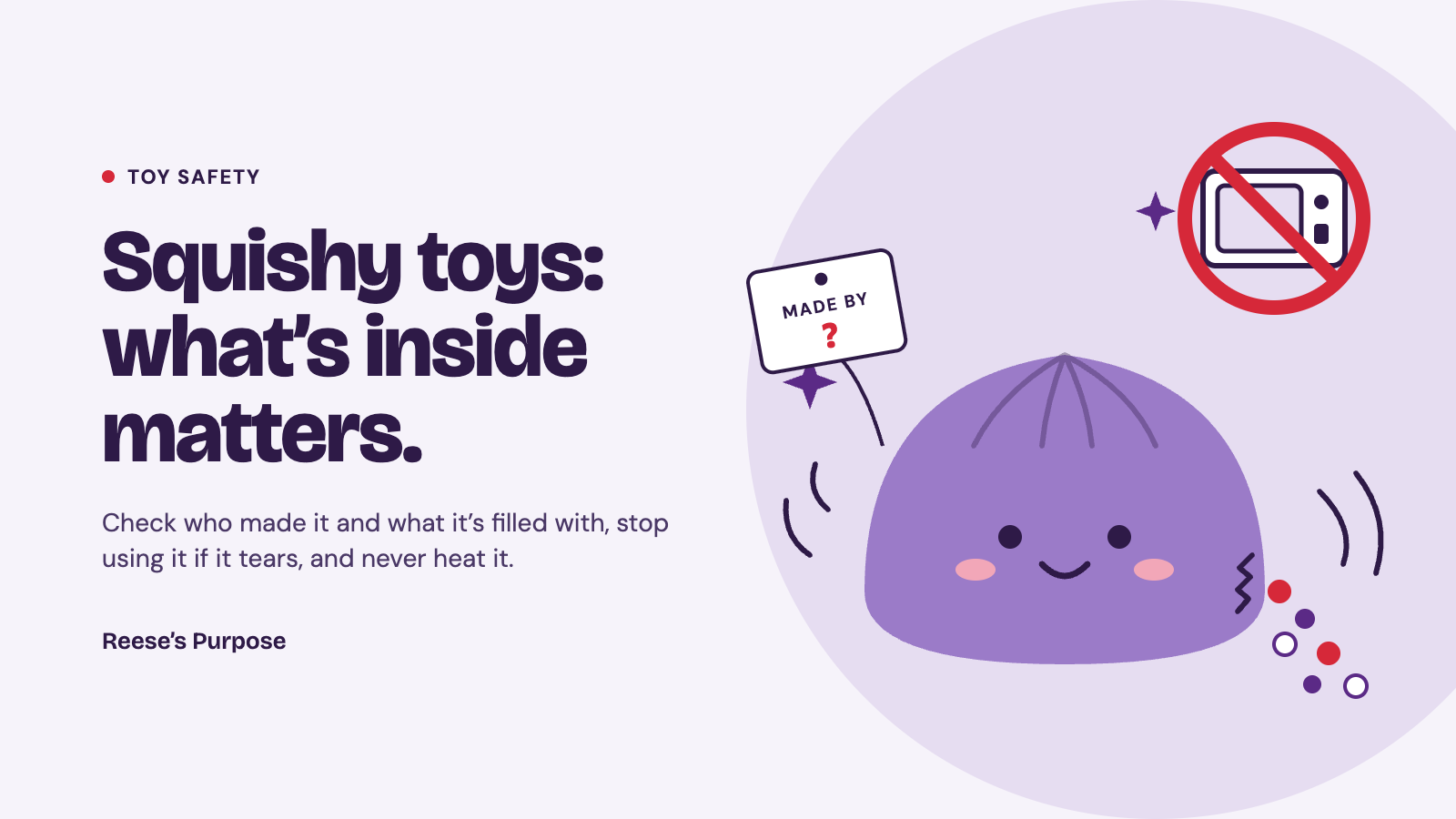
Squishy toys are everywhere: food-shaped stress toys, stretchy animals, glittery dumplings and soft toys filled with sand, gel or beads. They’re fun to squeeze, collect and trade. But “squishy” describes many different products, and their safety can depend on what’s inside, how the toy is made and what happens if it tears. The U.S. Consumer Product Safety Commission (CPSC) has warned about counterfeit squishy toys that may not meet federal requirements for children’s products. Some may contain water beads, small parts, lead, prohibited phthalates or other hazardous substances. If a toy’s outer covering breaks, a child could be exposed to its filling through mouthing, swallowing or inhaling it. ( cpsc.gov ) Are squishy toys tested? Children’s toys are subject to safety requirements. Toys intended primarily for children 12 and younger generally must be tested by a CPSC-accepted third-party laboratory for the rules that apply to them, and the manufacturer or importer must issue a Children’s Product Certificate. ( cpsc.gov ) The federal toy standard includes a section called “Squeeze Toys.” That section covers specific requirements for certain squeeze toys intended for children under 18 months, and CPSC lists the section as requiring third-party testing. Other toy requirements may apply depending on the product’s materials, design and features. ( cpsc.gov ) That does not mean every product sold as a squishy is tested for every possible hazard or way a child might use it. The word “squishy” covers toys with very different fillings and construction. And families usually can’t see a product’s underlying test reports when they shop. CPSC has specifically warned that counterfeit squishy toys may be sold without required testing and certification. ( cpsc.gov ) The filling matters Some squishy toys contain water beads. If swallowed, water beads can expand and cause choking, intestinal blockage and other serious injuries. CPSC has issued recalls for squishy dumpling toys containing water beads, including one recall announced in September 2026. ( cpsc.gov ) Other toys may contain sand, gel, liquid or powder. In May 2026, CPSC announced a recall of about 121,000 Orb Funkee squeeze toys after the sand inside may have contained fibrous tremolite, a form of asbestos that can pose a health risk if inhaled. The recall notice instructed consumers to stop using affected toys and follow the company’s directions for handling and disposal. ( cpsc.gov ) These recalls involve specific products. They do not establish that all squishy toys contain these materials. They do show why it matters to know what a toy contains and what to do if its outer covering breaks. Don’t heat squishy toys CPSC has also warned about social media videos encouraging people to microwave squishy toys. Never microwave or heat a squishy toy. A toy can become dangerously hot or burst, releasing sticky filling that may cling to skin and worsen a burn. CPSC also warns that squishy toys can become dangerously hot in direct sunlight, inside a hot vehicle or near a heater. ( cpsc.gov ) What can families check? Before buying or giving a squishy toy: Look for a clearly identified manufacturer, age guidance and required safety information. Be cautious if the seller or product details are unclear, especially on online marketplaces. Check CPSC recalls and warnings. Avoid products with a strong chemical odor or an oily, unusually sticky or leaking surface. Stop using a toy that is torn, leaking or easy to pull apart. Keep children away from any exposed filling and follow recall or manufacturer instructions for disposal. Keep squishy toys away from heat, direct sunlight and hot vehicles. Never microwave them. The squishy trend is a chance to ask a bigger product-safety question: Can families tell what a toy contains, what testing applies to it and what to do if it fails during ordinary play? Clear product information and durable construction matter. A toy should be designed with children’s real behavior in mind—including repeated squeezing, mouthing and the possibility that the toy will be dropped, stretched or shared. Before handing a squishy toy to a child, take a moment to check the product and its source. If you can’t identify who made it or find basic safety information, choose a different toy.
Learn why cordless window coverings are vital for child safety. Advocate for safer homes with Reese's Purpose.
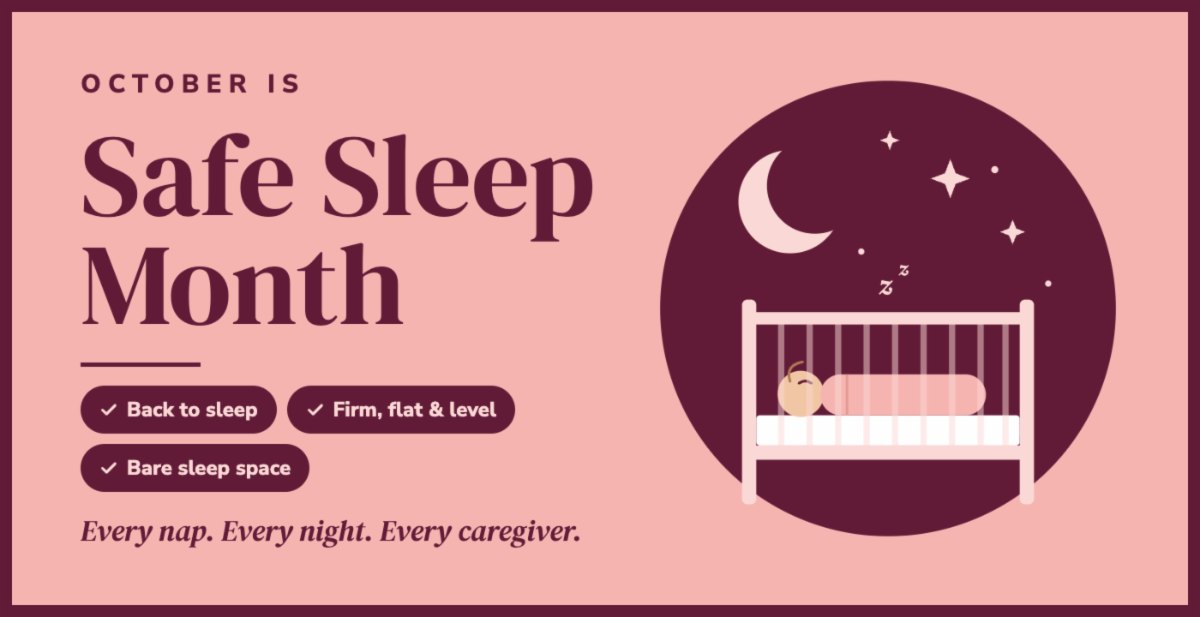
Understand safe sleep practices for infants. Advocate for child safety & learn about unsafe products. Join us in promoting safe sleep!

Learn how Reese's Purpose promotes child safety through collaboration at the ICPHSO Symposium. Join us in advocating for safer products.
Understand recalls vs. warnings to protect your family. Learn how Reese's Law enhances child safety and what actions to take.